

Pilates : A proactive approach to fall prevention in Elderly
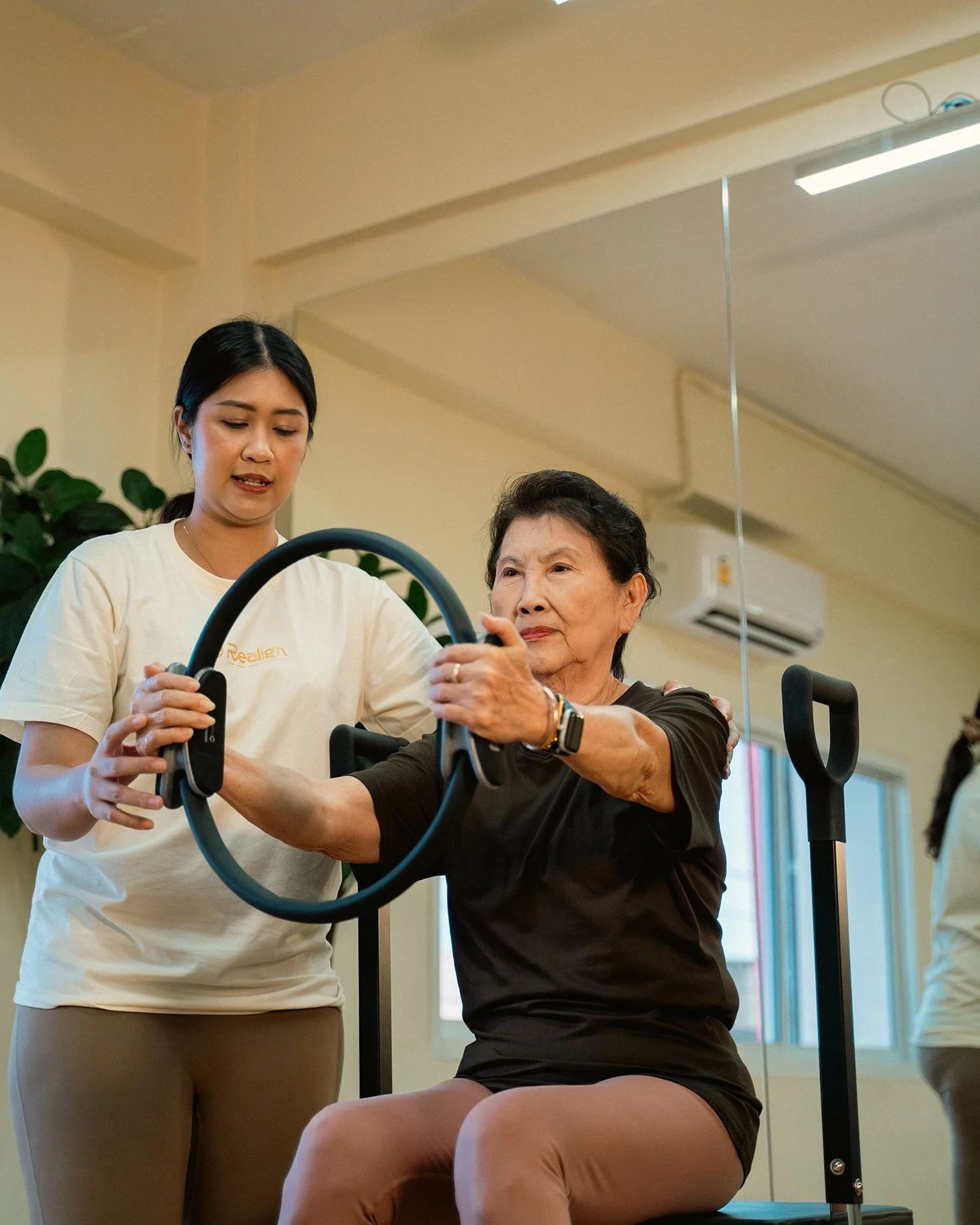
Falls in older adults are a common occurrence, with approximately 35% of those aged 65 and above being at risk of falling due to age-related declines in physical function and stability. Even a single fall can have significant consequences.
✤ Research has shown that approximately 30%-50% of falls result in minor injuries, about 10% result in major injuries such as fractures or head injuries, and around 1% of all falls in older adults result in hip fractures, which pose a significant risk for morbidity and mortality.
✤ In addition to the physical impact, falls also affect mental well-being, leading to anxiety, reduced confidence in walking, fear of falling again, and may even contribute to depression, resulting in decreased self-care abilities.
✤ Moreover, severe fall-related injuries lead to increased healthcare costs.
Therefore, preventing falls in older adults is crucial. This can be achieved by raising awareness about age-related changes in the body, underlying medical conditions, and various precautions, as well as promoting exercise to improve strength and stability.
Pilates exercises often incorporate elements of coordination, strength, stability , mobility and BALANCE in all positions.
In 2017, 55 subjects (age 65-95 years) were randomly assigned to either a Pilates Reformer intervention group or a control group (no intervention).
Over time, Pilates Reformer exercises performed once per week for 10 weeks resulted in reduced fall risk and significant improvements in static and dynamic balance, functional mobility, balance self-efficacy, and lower extremity AROM at risk for falling, whereas the control group did not significantly improve in any measures.
In 2023 ,The systematic review and meta-analysis underscores the potential of Pilates training as a valuable intervention to enhance balance in the elderly population.
Age is just a number, and Pilates is timeless. Start your journey to strength , flexibility and BALANCE today!